https://bio.nikkeibp.co.jp/atcl/column/16/021500017/021000388/
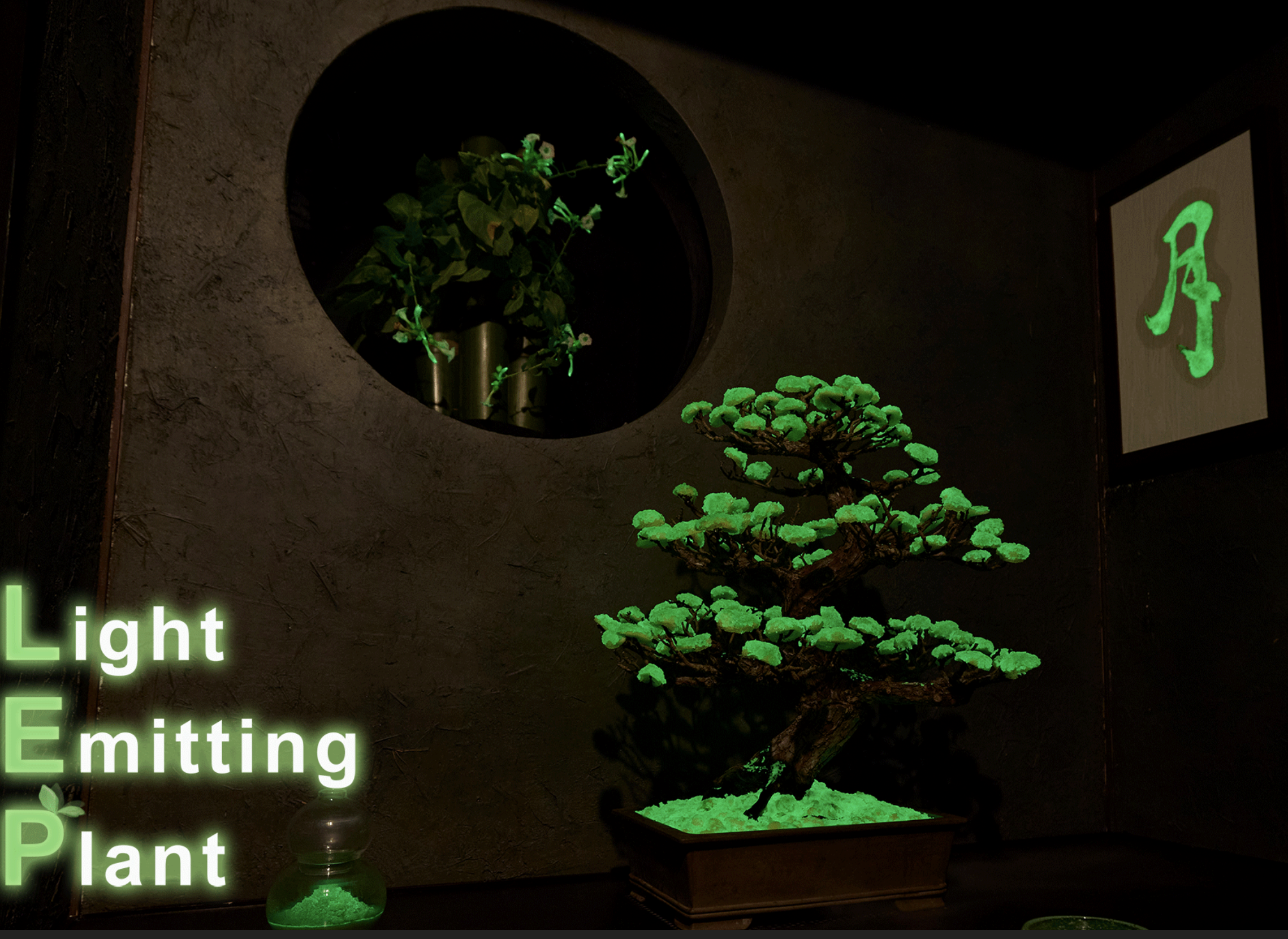
LEP is a startup from Osaka University that genetically engineered plants to introduce photoproteins into them, developing luminescent flowers and trees. In the future, the company envisions planting luminescent trees as roadside trees to replace streetlights.
LEP creates luminescent plants by introducing mushroom-derived luminescent proteins and luminescent substrates into plants. The genes introduced are multiple genes that encode the biosynthetic enzymes for the luminescent proteins and luminescent substrates.
Note that LEP’s luminous plants are genetically modified because they contain residual foreign genes. In Japan, they are expected to undergo approval from the relevant government agencies after confirming that they do not affect biodiversity under the Cartagena Protocol.
The company aims to commercialize the luminous plants it has developed as electricity-free lighting. The idea is to use small plants indoors and larger plants like trees outdoors in place of streetlights or lamps. To widely promote this vision, the company exhibited luminous plants at the 2025 World Exposition, Osaka-Kansai Expo, in April 2025. They exhibited glowing tobacco plant bodies and calluses. The calluses were installed individually under the name “Callus Lamp,” and the luminous calluses were applied to bonsai leaves to create “Bon Shine” bonsai.
Currently, the company’s bioluminescent plants emit green light by directly expressing the gene for a photoprotein derived from the Shiinotomoshibidake mushroom, but the company also plans to add more colors in the future.